A client came to me with a problem that most email marketers would not have recognized as one. Her average customer took eleven months from first signup to first purchase. The products started at
← Insights
Copy That Converts
The 18-Month Sale: How to Nurture Luxury Buyers Who Won't Purchase Until They're Ready
A client's average customer took eleven months from email signup to first purchase. Three agencies had told her to create more urgency. They were all wrong.
by Fefe Idlewilde
|Founder
|Idlewilde Marketing Studio
December 2025|8 min read
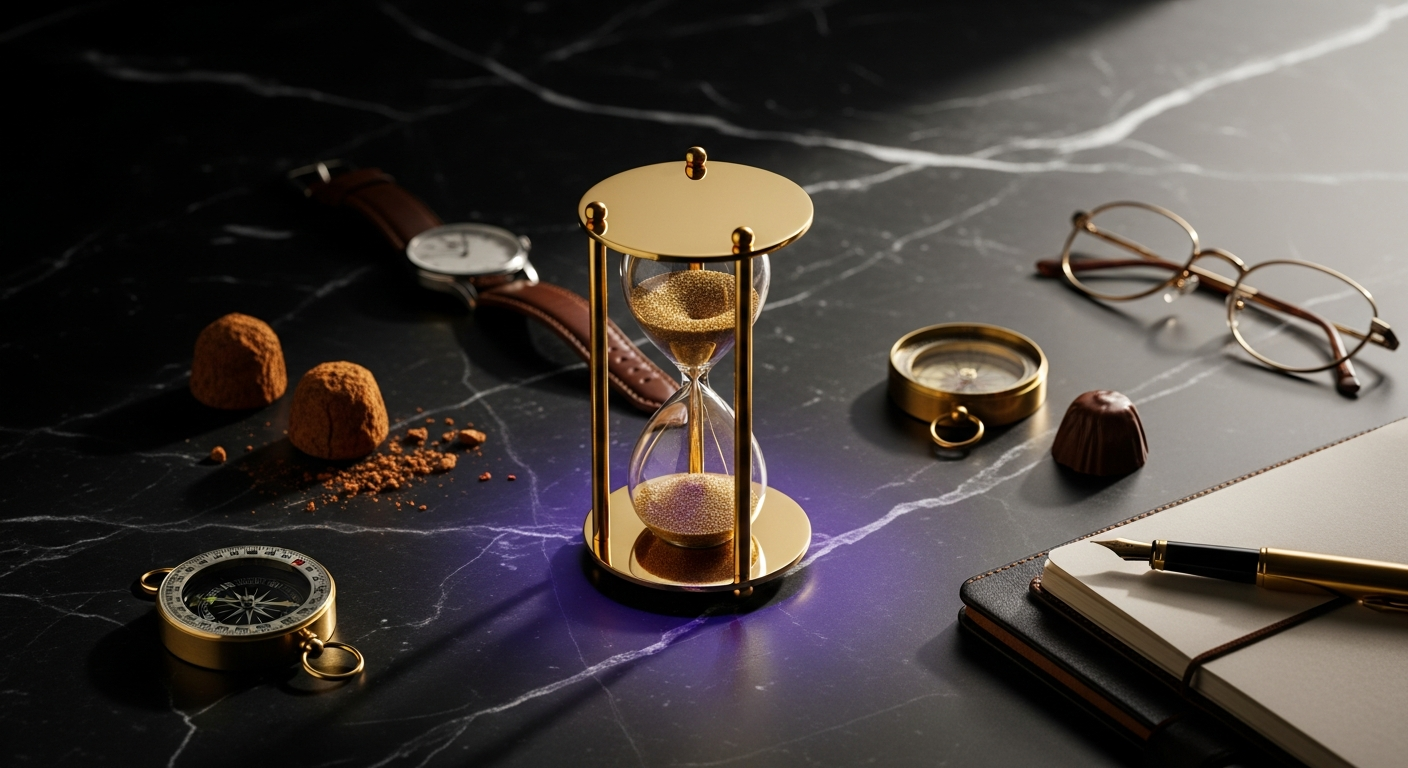
Three separate agencies had told her the same thing: she needed to create urgency. Limited availability. Flash sales. Countdown timers. She had tried all of them. Revenue spiked briefly during promotions and then returned to the previous baseline. Her best customers, the ones who bought twice and three times and referred people from their own lives, had never bought during a promotion. They paid full price, without urgency, on a timeline that was entirely their own.
The Luxury Buyer Is Not Slow. The Funnel Is Wrong.
Long-lead-time purchases in luxury markets are not a sign of hesitation. They are a sign of consideration. The customer who spends eleven months thinking about a
The moment of purchase is often triggered by things entirely outside the brand's control: a birthday, a bonus, a shift in priorities, a life event that reorders what feels important. What the brand can control is whether it is still present and resonant when that moment arrives. That is the job of a luxury nurture sequence.
What a Luxury Nurture Sequence Actually Looks Like
The First 30 Days: Establish the Voice
The initial sequence after signup should accomplish one thing: establish that this brand communicates differently. Not with a list of credentials or a feature comparison, but with copy that makes the subscriber feel the brand already understands her. This is where the psychographic research pays for itself. If the first three emails make the subscriber feel seen at a specific, personal level, she will keep opening them for the next eleven months.
Days 31 to 90: Deepen the Identity Connection
The middle of a luxury nurture sequence is where most brands go wrong. They send product emails because product emails feel like selling, and selling feels productive. What works better at this stage is content that reinforces the identity of the buyer: the kind of person who owns this, what she values, what her home looks like, how she makes decisions. This is not content about the product. It is content about her. And it keeps her identifying with the brand long before she is ready to buy from it.
Days 90 Onward: Be Present Without Pressure
The long tail of a luxury nurture sequence should feel like a relationship with a brand that is confident in its offer. Monthly or bi-monthly content that continues to earn attention. Campaign emails for meaningful moments, not manufactured scarcity. A cadence that says 'we are here when you are ready' rather than 'act now before it's too late.' The second message is incompatible with the identity of a luxury brand, regardless of how well it performs in the short term.
The Metric That Actually Matters
For a long-lead-time luxury purchase, open rate is the primary metric. A subscriber who opens your emails for eleven months and then buys at full price is worth more than a subscriber who clicks a flash sale after three months and churns after one purchase. The nurture sequence is performing correctly if the subscribers who eventually buy are the buyers you would have chosen: high-value, low-churn, and already deeply aligned with the brand before they made their first purchase.
The brands that win in luxury markets are not the ones that close fastest. They are the ones that stay in relationship longest without losing the thread.